Felkészül a következő szezonra.
Ilyenkor készítünk terveket, bevásároljuk a vetőmagokat és az eszközöket. Érdemes előre elkészíteni, amit csak tudunk, így időt nyerhetünk, illetve a metszéseket is lombhullástól rügyfakadásig érdemes elvégezni. (Bár ezt inkább késő őszre, vagy kora tavaszra szoktuk időzíteni.)
A tél vége felé elkezdhetünk palántákat készíteni, de ehhez megfelelő körülmények kellenek, hogy jó minőségű növényeink legyenek (pl. ne nyúljanak meg túlságosan, ha nem jut elég fény nekik). A paprikát és padlizsánt érdemes olyankor elindítani.
Mi az amit télen is szüretelhetünk?
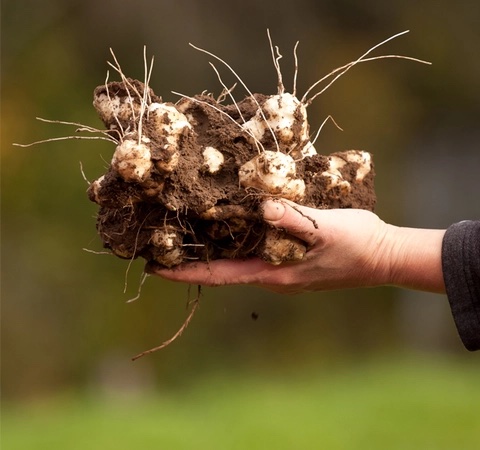
Ha nem fagyott a föld, szinte bármikor szedhetünk ki csicsókát. Télen nehezebb hozzájutni friss zöldségekhez, de a csicsóka friss, roppanós, lédús ilyenkor is. Íze karalábéra vagy retekre emlékeztethet. Ha felkockázzuk és összekeverjük egy öntettel, finom salátát kapunk. Főzve, sütve is használhatjuk, a burgonya kiváltására. A cukorbetegeknek jó alternatíva lehet.
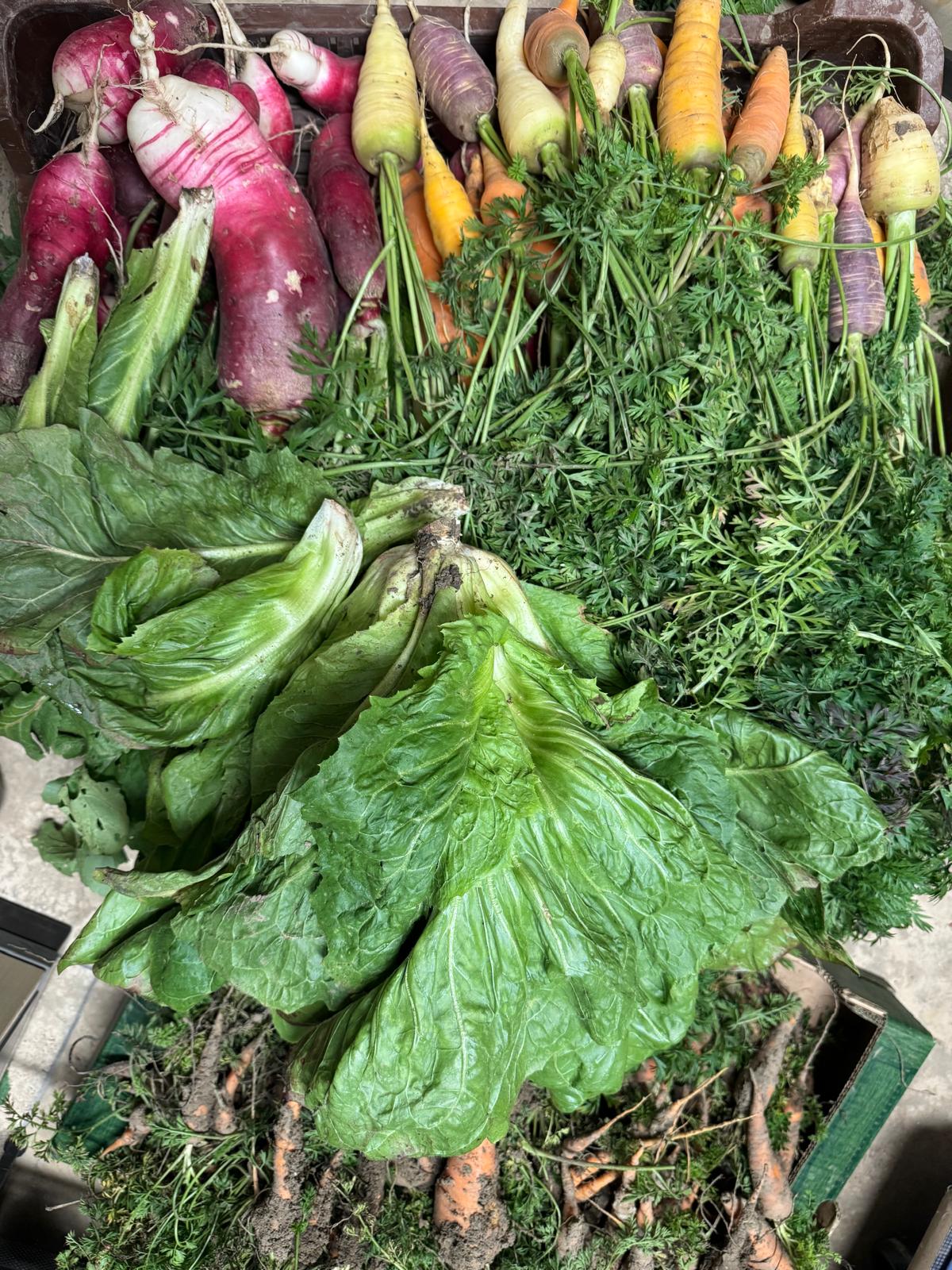
Néhány levélzöldség is jól bírja a telet, mint például a mángold vagy a sóska. Ezek friss fogyasztásra is alkalmasak, a salátákhoz, de főzve is fogyaszthatjuk. A kelbimbó még a hó alól is szedhető. Ha hidegebb telünk van, akkor is tudjuk szüretelni.
Mivel az utóbbi időkben eléggé enyhe telünk volt, néhány zöldséget (petrezselyem, cékla) a földben hagytam kísérletképpen, és elég jól bírták.
– K.E. –
What does a gardener do during winter?
Prepares for the next season.
It is during this time that we make plans, acquire seeds and tools. It’s worth it to spend this time preparing whatever we can ahead of time, thus, saving some later; furthermore, prunings are best scheduled to fall between leaf fall and bud break. (Although we usually schedule these for either late autumn or early spring.)
We can start preparing seedling near the end of winter, but this requires appropriate conditions to ensure that we get good quality plants (ex.: they can become too stretched if there is not enough light). This is the best period to start on our peppers and eggplants.
What can we harvest during winter?
Jerusalem artichokes, or sunroot can be harvested any time, as long as the ground isn’t frozen. It can be difficult to come by fresh veggies during the winter, but sunroot stays fresh, crunchy and juicy even during these times. Its flavour is reminiscent of kohlrabi or radish. One can make a tasty salad by dicing it up and mixing it with a dressing. It can also be cooked or baked, replacing potatoes. It can serve as a good alternative for diabetics.
Certain leafy greens, such as chard or sorrel are also rather tolerant of winter. These can be consumed when fresh, such as in salads, but they can also be used for cooking. Brussels sprouts can be picked from even under snow. Even when facing colder winters, it’s still harvestable.
Since we’ve been having pretty mild winters recently, I have been leaving certain vegetables (parsley, beets) in the ground as an experiment, and they seemed to take it pretty well.